
A Clean Inspection Report Is Priceless
Pre-Listing Mechanical Pre-Inspection for Mechanical System Readiness
Pre-listing mechanical system readiness is the difference between a smooth sale and a buyer getting spooked by preventable inspection findings. When you’re selling your home, nothing smooths the road like a clean inspection report — and the foundation of that success is preparation before buyers ever step inside.
A clean inspection report isn’t luck. It’s preparation. And the systems that matter most are often the ones homeowners forget.
Disclose. Disclose. Disclose.
In California, once you know about a defect, it’s not a secret anymore — and it doesn’t go away just because escrow falls apart. Buyers use that reality as leverage: cancel today, and now the seller still has to deal with it tomorrow (and likely disclose it).
That’s why pre-listing mechanical system readiness matters. You either fix it, or you disclose it cleanly — but you don’t get blindsided at the worst possible time.
Related reading: See also Pre-Listing Home Checklist and Documentation That Supports Mechanical System Readiness.
Why Pre-Listing Mechanical System Readiness Matters in California
Buyers fall in love with finishes, but they judge the home by what they can’t see: the plumbing, electrical, HVAC, gas, water heater, and sewer systems. If these areas show neglect, buyers assume bigger problems are hiding behind the walls.
When the mechanicals look cared for, buyers feel safer making stronger offers. When they don’t, your leverage disappears fast.
Mechanical Pre-Inspection: What We’re Checking
This really is a pre-inspection — just focused on the systems most likely to derail escrow. The goal isn’t to create a stack of paperwork. The goal is to identify issues early, fix what should be fixed, and disclose what needs to be disclosed — on your timeline, not under a buyer’s deadline.
Electrical Prep for Pre-Listing Mechanical System Readiness
A clean, updated electrical panel tells buyers the home has been maintained where it counts. Inspectors love clear labeling and tidy wiring; buyers love knowing they won’t face expensive rewiring later.
You’d be surprised how often a panel looks “fine” but has safety issues.
Electrical panel warning signs (pre-inspection red flags):
-
Double-tapped breakers
-
Overcrowding or messy wiring
-
Missing labels
-
Evidence of overheating
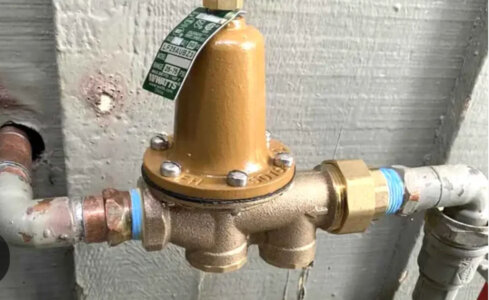
Plumbing Pressure Check for Pre-Listing Mechanical System Readiness
Low water pressure triggers buyer concern — high pressure triggers leaks. Both often trace back to one device: the pressure reducing valve (PRV).
Don’t assume your home has a PRV
Plenty of homes don’t—especially older homes or remodel-additions. A PRV regulates city water pressure for everything inside your home.
Common locations:
-
Just inside the home at main line entry (garage, basement, mechanical room)
-
Outside near the foundation in a valve box
-
At or just downstream of the water meter
What pressure should you see?
-
Target: 50–70 PSI (strong, comfortable, easy on fixtures)
-
Red flag: Over 80 PSI (many codes require reduction at this level)
Easy pre-listing test: Screw a $10 pressure gauge onto an exterior hose bib.
Quick checklist before blaming the plumbing
-
Main shutoff fully open
-
Clean aerators/showerheads (clogged screens fake “bad plumbing”)
-
Test PSI at a hose bib
How long do PRVs last?
Most last 10–15 years depending on water quality and usage.
The 3 signs the PRV needs replacement (or rebuild)
-
Low pressure everywhere (after ruling out aerators and main shutoff)
-
Pressure creep (gauge rises slowly with all water off)
-
No control (adjusting PRV doesn’t change or hold pressure)
Rule of thumb: 2 out of 3 = it’s the PRV.
Replace vs. rebuild
-
Replace when corroded, leaking, or you want the cleanest pre-sale solution
-
Rebuild possible on some models when access is tight and body is sound
Bottom line: If pressure exceeds 80 PSI or the PRV can’t hold steady, addressing it removes inspection leverage before buyers ever see the report.
Water Heater Check for Pre-Listing Mechanical System Readiness
Age matters. Most tank water heaters last 8–12 years; buyers get nervous when they see one pushing 15+.
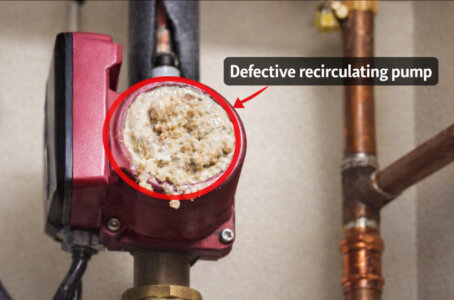
Hot water delay note
Quite often, you turn on the hot water and it feels like there’s none — it can take three or four minutes to get warm. Sometimes it’s as simple as the water heater temperature being set too low, and other times it’s a comfort issue caused by a failed or missing hot water recirculation pump. If your home has a recirculation system, make sure it’s working properly so hot water reaches fixtures faster.
Quick pre-listing check:
-
Look for rust, corrosion, or moisture around the base
-
Check the temperature/pressure relief valve (T&P valve) for leaks
-
Note the manufacture date (usually on a label near the top)
-
Confirm proper venting (gas models)
If it’s old or showing issues: Consider replacement before listing, or budget for it in pricing strategy. A new water heater is a modest expense that removes a common inspection objection.
Gas Line Review for Pre-Listing Mechanical System Readiness
Gas lines get serious attention during inspections. Corrosion, outdated fittings, or improper connections can jeopardize a sale.
What to check:
-
Visible corrosion on exposed gas lines
-
Old or deteriorating flexible connectors
-
Proper support and spacing
-
Earthquake shut-off valve (required in California for many installations)
A licensed plumber can verify the system’s safety before listing and remove a major buyer objection.
HVAC Maintenance for Pre-Listing Mechanical System Readiness
Your HVAC system speaks volumes about overall home care.
Before listing:
-
Replace filters
-
Clean coils
-
Service the system professionally
-
Keep receipts and notes
Optional: Offering a one-year transferable HVAC warranty can help reduce buyer hesitation.
Sewer Scope for Pre-Listing Mechanical System Readiness
Nothing terrifies buyers like sewer problems — repairs can run $10,000–$25,000+, and they’re not always visible until it’s too late.
A pre-listing sewer scope helps prevent:
-
Inspection-day surprises that kill momentum
-
Emergency backups during escrow
-
Price reductions or deal failures
-
Post-close liability questions
Common issues a scope reveals:
-
Root intrusion (especially older homes with mature landscaping)
-
Bellied/sagging lines (settling or poor original installation)
-
Cracked or offset pipes
-
Orangeburg pipe (fiber conduit common in 1940s–1970s homes)
If work has been done, highlight it. Sewer line replacement or repair documentation is gold during negotiations — it removes one of buyers’ biggest fears and eliminates easy leverage.
Documentation That Supports Mechanical System Readiness
Paperwork isn’t exciting, but it builds confidence fast.
Provide documentation for:
-
HVAC servicing or replacement
-
Sewer line work
-
Electrical panel updates
-
Plumbing repairs
-
Water heater maintenance or replacement
-
Roof warranties
-
Pool equipment updates
Good documentation turns “maybe” into “we feel good about this house.”
Pre-Listing Home Checklist
If you want the fast version, here it is:
-
Test water PSI (and verify a PRV exists)
-
Confirm main shutoff is fully open
-
Clean aerators/showerheads
-
Review electrical panel basics
-
Check water heater age and condition
-
Service HVAC + keep receipts
-
Consider a sewer scope
-
Verify gas line fittings (especially if you have older appliances)
-
Organize documentation
Final Thoughts
After buying and selling property for my own account and sitting through countless inspections, I’ve seen the same pattern over and over: inspection reports uncover issues homeowners genuinely didn’t know existed. And every time, the same question comes up: why didn’t anyone fix this before listing?
The truth is, most people (unless they’re in construction) don’t really know how to care for the systems that keep a home running — even though it’s one of the most expensive assets they’ll ever own.
That’s why I recommend pre-listing mechanical system readiness. It protects you, it educates you, and it keeps you from getting blindsided right when you’re trying to sell.
My job is simple: to always put your best interests first. Part of that is helping you prepare your home with fewer surprises and sharing what I know so you can make smarter decisions before a buyer’s inspector does.
Marty Halfon | Rodeo Realty | Beverly Hills
Beverly Hills resident since 1962
Your local real estate expert