
Indoor Air Health: How Your HVAC Affects What You’re Breathing
Indoor air health is one of the most overlooked parts of homeownership, even though it affects what you breathe every day. Most homeowners think their heating and cooling system is only about comfort—warm air in winter and cool air in summer. In reality, your HVAC system also influences the air quality inside your home and can impact sleep, allergies, and overall respiratory comfort.
You spend a large portion of your life indoors. If the air inside your home isn’t clean, it can quietly affect your breathing, energy, and well-being without you ever connecting the dots.
Why Indoor Air Health Matters for Home Comfort and Wellness
Many homes are sealed tighter than ever for energy efficiency. That’s great for utility bills, but it can also trap airborne contaminants inside longer.
When your system runs, air moves through returns, ductwork, and out through registers. If contaminants aren’t filtered out or the system isn’t maintained, those particles continue circulating.
Common symptoms of poor home air quality can include:
-
Allergy flare-ups indoors
-
Sinus irritation or congestion
-
Sleep disruption or dry, irritated breathing
-
Constant dust buildup even after cleaning

How HVAC Systems Circulate Indoor Air Through Your Home
Your HVAC system is your home’s air circulation and filtration pathway. It doesn’t just change temperature—it moves air repeatedly through the house.
How Heating and Air Conditioning Systems Move Air Through Returns and Ductwork
Air is pulled in through returns, passes through filters, travels through ducts, and is delivered back into rooms. Along the way it can carry:
-
Dust and dirt
-
Pollen and allergens
-
Pet hair and dander
-
Fine airborne particles
If filters are overdue or ductwork has leaks, much of that debris keeps moving around your home.
Common Causes of Poor Indoor Air Quality in Residential Homes
Dust, Allergens, and Pet Dander in the Air Inside Your Home
Every home creates dust. Add pets, outdoor pollen, and daily activity, and the amount of airborne debris can build quickly—especially if filtration is low-grade or neglected.
Dirty Air Registers and Duct Leaks That Pull In Dust
Dirty registers aren’t just “normal dust.” If they get dirty fast after cleaning, that can be a sign of duct leakage or poor seals.
Leaky ducts can pull dirty air from non-living spaces like attics or wall cavities. That contaminated air can then be pushed back into the home through your registers. If dirt shows up repeatedly at vents, it’s a sign the system should be inspected.
HVAC Maintenance for Better Indoor Air Health and Cleaner Airflow
Your HVAC system is one of the biggest mechanical investments in your home, and routine maintenance is the easiest way to keep it efficient and cleaner.
Preventive HVAC Service Plans and Seasonal System Tune-Ups
A preventive service contract typically includes two visits per year—one before summer and one before winter. A proper seasonal visit usually covers:
-
Inspecting and cleaning the system
-
Checking airflow and performance
-
Inspecting duct connections and seals
-
Checking refrigerant levels and inspecting for leaks
-
Inspecting or replacing filters
-
Confirming the system is operating safely and efficiently
This is the homeowner equivalent of oil changes and inspections for a car—simple, predictable, and far cheaper than breakdown repairs.
Thermostat Accuracy and Airflow Balance in the Home
Your thermostat is the control center. If it’s inaccurate or poorly set up, it can cause uneven temperatures, excessive run time, and unnecessary wear on the system.
If your home never feels consistent, or the system cycles oddly, this is one of the first things a qualified technician should check.
Air Filters and Indoor Air Health: The Simplest Habit With the Biggest Payoff
How Often to Change Air Filters for Cleaner Home Air Quality
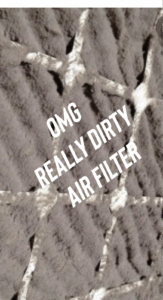
Look at what this filter pulled in from this home!
Quick reality check:
-
When was the last time you changed your filters?
-
Do you know where they are?
-
Do you know what kind you have?
Most homeowners don’t. And that’s why problems build quietly.
Set a recurring phone reminder every 90 days. In homes with pets or heavy dust, filters often need to be changed every 2–3 months.
When you change a filter:
-
Take a photo of the old one
-
Write the date on the new one before installing it
That photo + date combo is the easiest way to see what’s happening in your home over time.
What a Dirty Filter Reveals About Dust and Air Quality Problems
If a filter gets dirty fast, it often means:
-
You need more frequent filter changes
-
There’s excessive dust or debris in the environment
-
Filtration is too weak for the home’s needs
-
Ductwork may be pulling in unwanted contaminants
Your filter is basically your home’s air quality “report card.” If it’s nasty quickly, it’s telling you something.
 Simple Ways to Improve Indoor Air Quality Without Replacing Your System
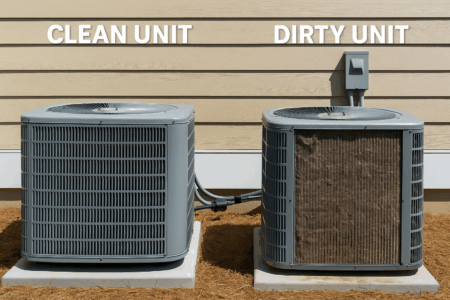
You don’t need a new system to improve air quality. Start with basics that actually move the needle:
-
Change filters consistently
-
Keep registers clean
-
Address duct leaks early
-
Schedule routine maintenance
-
Upgrade filtration if you have pets or allergies
The Bottom Line on Indoor Air Health
Indoor air health is manageable, but it takes consistency. Clean filtration, sealed ductwork, and regular service protect comfort, efficiency, and the air you breathe day after day.
Coming Up in Part Two
We’ll break down filter types (including register and return options), thermostat setup best practices, and whole-house filtration systems installed near the unit—plus how to choose what makes sense based on home size, pets, and budget.
Marty Halfon | Rodeo Realty | Beverly Hills
Beverly Hills resident since 1962
Your local real estate expert